 Rachel BuscallRacing
Endurance racing explained: stints, classes and strategy
By Rachel Buscall · · 5 min read
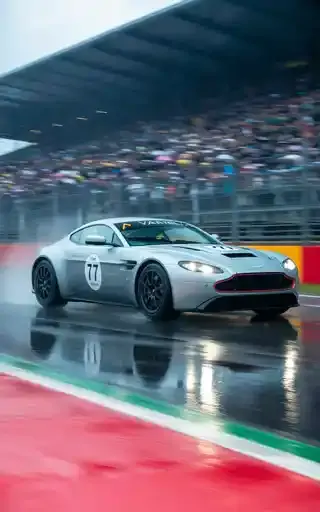
Endurance racing is motorsport in which teams of drivers share a car over a long race, usually several hours, sometimes a full day and night. The winner is the car that covers the most distance in the time allowed, or finishes a set distance first, so reliability, pit stops and consistent driving matter as much as raw speed. Famous examples include the 24 Hours of Le Mans and the 24 Hours of Daytona, but the same idea runs through club and national racing too, including the GT series raced in Britain.
What is endurance racing?
It is a form of motor racing designed to test the durability of the car and the stamina of the people running it. Rather than a short sprint, a team of two or more drivers takes turns at the wheel over a long race, with planned pit stops for fuel, tyres and driver changes along the way.
The general reference article on the format describes common race lengths of around three or six hours, with longer events running for 12 or 24 hours. Teams there are described as having anywhere from two to four drivers per car.
How endurance races differ from sprint races
In a sprint race, one driver pushes for a short period and the car only has to last that long. Everything is about qualifying well and attacking from the start. In an endurance race, the car has to survive for hours, the drivers have to hand over to each other cleanly and the team has to make good decisions as the race unfolds. A car can lead for most of the race and still lose because of one slow stop or one mechanical problem.
That changes how drivers think. Instead of finding the last tenth on every lap, the aim is to lap quickly and consistently without hurting the brakes, tyres or gearbox, and without getting caught up in incidents. Being steady over a long stint is a skill in itself, and it is one reason long-distance racing appeals to drivers who come from the world of track days. If you are new to circuit driving, how the racing line works is the foundation that everything else here builds on.
Classes: several races on one track
Many endurance races are multi-class events. Cars of different speeds and specifications race at the same time, each competing for its own class win as well as the overall result. Faster prototypes share the circuit with GT cars based on road models, and drivers spend much of the race passing or being passed by cars from other classes.
Traffic management is a big part of the craft. The faster driver has to find a safe moment to pass; the slower driver has to stay predictable and avoid being forced off line. In Britain, the British GT Championship, run by the SRO Motorsports Group, has two classes, GT3 and GT4, racing together. Our guide to how GT3 and GT4 cars differ explains why those two classes run at different speeds and how they are balanced.
Stints, driver changes and strategy
A stint is the period one driver spends at the wheel before handing over. Strategy is about how long each stint should be and when to stop. Teams have to think about fuel, tyre wear, how tired each driver is, the weather and what rivals are doing, all at once.
Driver changes are practised like any other part of the race. Belts, seat inserts and radio connections all have to be swapped quickly and safely, and series rules often control how long drivers may spend in the car and how pit stops must be carried out. Those rules vary from one championship to the next, so teams read the sporting regulations for each event closely.
Safety cars and changing conditions
Long races rarely run without interruption. A safety car or a full course yellow can bunch the field up and wipe out a lead built over an hour, and teams often choose to make a pit stop while the race is slowed, because they lose less time doing so. Rain adds another layer: a team must decide when to switch tyres and whether the shower will last. Knowing what each marshal flag means is essential when the race can change at any moment.
Night racing
The longest races run through the night. Drivers rely on headlights, familiar reference points and the lights of other cars, and the team has to manage driver rest so that nobody is behind the wheel when they are too tired. The track can also cool and change grip overnight, which affects tyre choice and lap times.
Driver line-ups and categorisation
Because drivers share a car, endurance championships need a way to keep line-ups fair. The FIA runs a driver categorisation system that championships can use, in which drivers are first categorised on their age and career record, with later adjustments based on recorded pace and results. Series that use it can set rules about which mix of drivers may share a car in each class, so that teams of experienced professionals are not simply racing against amateurs.
This is one reason endurance events are a common route for gentleman and amateur drivers who want to race GT cars alongside more experienced team-mates.
Reliability: why the car matters more
A sprint car can be driven hard for a short time. An endurance car has to keep working for hours under heat, vibration and repeated heavy braking. Brakes, gearboxes, cooling and electronics are all tested, and a small failure can cost a team its race. Mechanics, engineers and drivers all share responsibility for looking after the car, and a driver who abuses kerbs or over-revs the engine is costing the team time later on.
That focus on reliability also affects the budget. Longer races mean more fuel, more tyres, more spare parts and a bigger crew. Our guide to the cost of circuit racing in the UK breaks down the main costs of a season, and endurance events add to most of those lines.
Watching an endurance race
For spectators, endurance races are different from a short sprint. You can arrive, wander, eat, watch from several corners and come back later to see how the race has changed. Live timing apps and screens help you follow the positions in each class. If you plan to go, our guide to what happens across a UK race weekend explains practice, qualifying and race day, and the best car racing circuits in the UK suggests where to watch.
Why long races matter to GT drivers
Long races reward the qualities that also make a good business leader: patience, teamwork, planning and staying calm when the plan changes. Rachel has explained why she chose GT cars to learn in at track day level, and for many GT drivers who go on to race, endurance formats become their home. Whether you are watching from the grandstand or thinking about your own first race, understanding how endurance racing works makes every stint, stop and strategy call far easier to follow.