 Rachel BuscallRacing
What happens to racehorses when they retire
By Rachel Buscall · · 7 min read
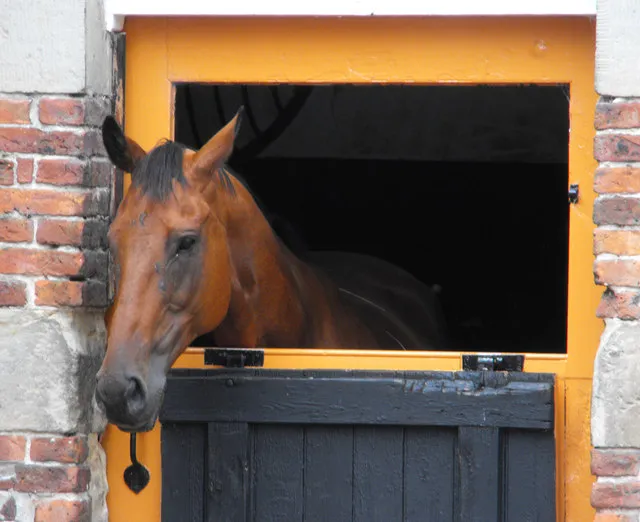
What happens to racehorses when they retire depends on the horse. In Britain, the best of them usually go to stud to breed the next generation. Most of the rest move on to second careers in other equestrian sports, such as eventing, showing, dressage, polo and showjumping, or to quieter lives of hacking and riding club outings. Some go on to point-to-pointing or race abroad, and some are simply retired to grass. The British Horseracing Authority (BHA) records each permanent retirement through an online process that asks for the new keeper's details, and Retraining of Racehorses (RoR), British racing's official charity for former racehorses, supports horses and new owners after they leave the sport.
That is the short answer. The longer one matters to anyone who owns a share in a horse, is thinking about buying one, or simply enjoys a day at the races and wonders where the horses go next. This guide covers the main routes out of racing, how retirement is recorded, how aftercare is paid for and what it takes to give a former racehorse a new start.
Why racehorses retire
There is no fixed retirement age. A horse leaves racing when its owner and trainer decide it should, and the reasons vary. Some are not fast enough to be competitive, some pick up an injury, some lose interest in racing, and some are retired at the top of their form so they can go to stud. Careers also differ by code. Flat horses often race at two and three years old and can be finished with racing young, while National Hunt horses usually start later and can race on for many seasons. Our guide to the Flat and National Hunt seasons explains how the two codes work.
Whatever the reason, a racehorse has a long life ahead of it after racing. That is why planning for retirement is now treated as part of owning a horse from day one, not a problem to solve at the end.
Where retired racehorses go
The BHA describes several routes out of British racing. Some horses go for breeding, some race abroad, some go point-to-pointing, which is amateur jump racing, and some retire to grass. The biggest group, and the one that has grown most, is horses that are retrained for a different job.
Breeding
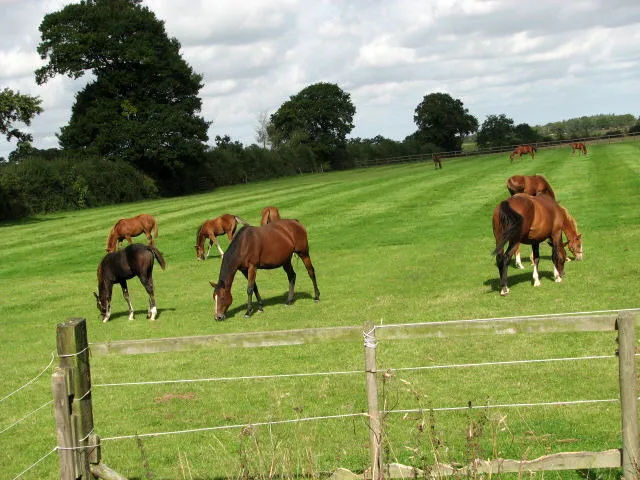
Top performers, both colts and fillies, are the horses most likely to go to stud, where their racing record helps set their value as parents of future racehorses. The best colts can start a second career as stallions, and successful mares often become broodmares. It is a small share of all the horses that leave racing, but it is the route that makes headlines when a famous horse retires.
Second careers in other sports
Thoroughbreds are athletic and used to being handled every day, which suits them to other disciplines once they have been retrained. The BHA lists showing, eventing, dressage, polo and showjumping among the careers former racehorses take up, as well as riding club activities and hacking. Former racehorses have even competed at the Olympic Games, in three-day eventing at Rio 2016. The Jockey Club says more than 10,000 horses are registered with RoR as active in other equine disciplines.
Point-to-pointing and racing abroad
Some horses move from racing under the Rules to point-to-pointing, the amateur form of jump racing run over fences in the countryside. Others are sold to race in another country, where they may be better suited to the level of competition.
Retirement to grass
A smaller number are retired to a field as companion horses or simply to enjoy a quiet life. The BHA notes, though, that most horses prefer an active life, which is one reason retraining is encouraged wherever a horse is sound enough for it.
How racehorse retirement is recorded
Since February 2020, owners and trainers have been able to retire a horse permanently through a simplified online process on the sport's racing administration system. Before that, only owners could do it. The change mattered because the new process asks for the details of the horse's new keeper, so the sport has a record of where the horse goes on its first step out of racing.
The new keeper is then notified and has to complete a transfer of ownership within 30 days. The BHA warns that failing to do so can lead to a fine of up to £5,000 from Trading Standards. As part of the same process, owners can complete a non-racing agreement. It alerts the owner if the horse is later sold or given away, and it stops the horse from being entered in races under the Rules of Racing again.
Tracking does not start at retirement. Every thoroughbred foal intended for British racing has to be registered within 30 days of birth and microchipped, so a horse can be identified throughout its life. The sport's stated aim is 100% traceability of a horse's first step away from racing. It admits there are still gaps in knowing where thoroughbreds bred for racing end up later in life.
Who pays for racehorse aftercare?
Aftercare is funded from inside the sport. According to the BHA, around £1.4 million a year is invested in aftercare and related projects. A contribution is taken from every one of the 200,000-plus entries made for runners in British races. Jockeys and trainers contribute through their licence fees, and racecourses pay in for every race they stage.
Much of that work runs through RoR. The charity aims to create demand for former racehorses, educate the people who take them on, help horses move into second careers and protect their welfare. It also acts as a safety net for former racehorses that need charitable help.
What owners should plan for
If you own a horse outright or through a syndicate, retirement belongs in the plan from the start. Ask your trainer or syndicate manager who decides when the horse retires, where it will go and who pays for its keep while it moves on. A horse leaving training may need time off before it is ready to learn a new job, and that time has a cost. Our guide to the cost of owning a racehorse in the UK covers the budget, including retirement, and the guide to racehorse ownership options sets out the questions to ask a syndicate before you buy a share.
Many owners use the retirement process to complete a non-racing agreement, so they hear if the horse changes hands again. It is a simple step, and it keeps a line of contact with a horse they cared about.
Taking on a former racehorse
For riders, a former racehorse can be a rewarding project, but it is not a beginner's horse straight out of training. Racehorses are used to a routine built around fast work and a busy yard. Most need patient retraining to learn to work in an arena, hack out calmly and accept a new pace of life. RoR runs a listing service, Source a Horse, where former racehorses are advertised, and its website has guidance on retraining and care.
Before you buy, ask about the horse's racing history, any injuries and how long it has been out of training. Make sure the passport and ownership transfer are completed within the legal 30 days. If you are unsure whether you have the experience, ask someone who has retrained a thoroughbred to look at the horse with you.
What happens to racehorses when they retire: the summary
The best go to stud. Most are retrained for other sports or for riding, some go point-to-pointing or race abroad, and some retire to grass. Since 2020 each permanent retirement is recorded online with the new keeper's details, a non-racing agreement can stop a horse racing again, and aftercare is funded by the sport and supported by RoR. For more on how British racing works, from racecards to the going, see the horse racing guides, or read the BHA's own page on life after racing.
Featured photo: JThomas, "Ex racehorse in stable, Sledmere House", CC BY-SA 2.0, via Wikimedia Commons (geograph.org.uk), resized. Stud photo: Evelyn Simak, CC BY-SA 2.0, via Wikimedia Commons (geograph.org.uk), resized.