Formula 1 is the pinnacle of global motorsport. It combines extreme speed, elite athletic skill, cutting-edge engineering and a world championship that spans multiple continents. While it can look complex to newcomers, the fundamentals of Formula 1 are surprisingly straightforward once they’re clearly explained.
This guide breaks down what Formula 1 is, how races are won, how fast the cars go, what DRS means, how long races last, how points are awarded, how much drivers earn, and how someone actually becomes a Formula 1 driver — without jargon or hype.
What Is Formula 1?
Formula 1 (officially the FIA Formula One World Championship) is the highest level of single-seater motor racing in the world. It has been running since 1950 and is governed by the Fédération Internationale de l’Automobile (FIA).
Each season, teams compete in a series of races called Grands Prix, held on purpose-built circuits and closed public roads across the globe. Drivers score points at each race, with two championships awarded at the end of the season:
- The Drivers’ World Championship
- The Constructors’ Championship (for teams)
The UK plays a central role in Formula 1. Many teams are based in Britain, and the British Grand Prix at Silverstone is one of the sport’s most historic and respected events.
Who Won the Formula 1 Race?
Each Formula 1 race is won by the driver who completes the full race distance in the shortest time, after accounting for penalties and race regulations.
A Grand Prix is not simply a flat-out sprint. Drivers must manage:
- Tyre wear
- Fuel usage
- Strategy and pit stops
- Safety cars and weather conditions
Because Formula 1 is a championship rather than a single event, individual race wins contribute to a driver’s and team’s overall points total across the season. A driver can win races without winning the championship, and vice versa.
How Fast Do Formula 1 Cars Go?
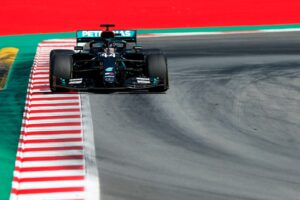
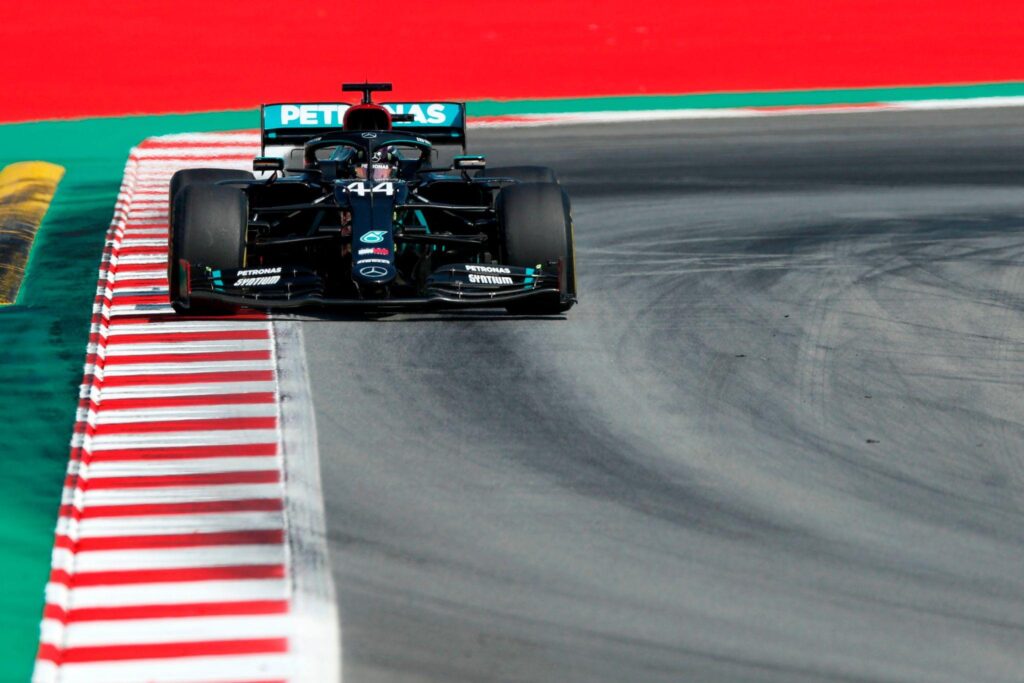
Formula 1 cars are among the fastest racing machines ever built.
- Top speed: Over 220 mph (355 km/h) in race trim
- Average race speed: 120–150 mph, depending on the circuit
- Acceleration: 0–60 mph in under 2.5 seconds
What makes Formula 1 cars extraordinary isn’t just top speed, but cornering performance. Thanks to advanced aerodynamics, F1 cars can generate so much downforce that drivers experience forces of 5–6 g in high-speed corners.
In simple terms: a Formula 1 car can corner faster than most road cars can travel in a straight line.
What Is DRS in Formula 1?
DRS stands for Drag Reduction System. It is a movable flap in the rear wing designed to improve overtaking.
When DRS is activated:
- The rear wing opens
- Aerodynamic drag is reduced
- The car gains extra straight-line speed
DRS can only be used:
- In designated zones
- When a driver is within one second of the car ahead
- Under race control conditions (not during safety cars or certain weather situations)
The system exists to counteract the aerodynamic difficulty of following another car closely and has become a standard part of modern Formula 1 racing.
How Long Is a Formula 1 Race?
Formula 1 races are defined by distance, not laps.
- Standard race distance: Approximately 305 km (190 miles)
- Monaco Grand Prix: Shorter, at around 260 km
- Time limit: Maximum of 2 hours of racing time (3 hours including stoppages)
The number of laps varies depending on circuit length. Short tracks require more laps; longer tracks require fewer.
If a race is stopped or heavily delayed (for example, due to weather or accidents), race control may end it early under FIA regulations.
How Many Races Are in a Formula 1 Season?
The number of races in a Formula 1 season can change from year to year.
Modern seasons typically feature over 20 Grands Prix, making Formula 1 one of the longest and most demanding championships in world sport.
The calendar includes:
- European races
- Long-haul events in Asia, the Americas and the Middle East
- A mix of permanent circuits and street tracks
How Many Points Do You Get for a Formula 1 Win?
Formula 1 uses a fixed points system for the top 10 finishers:
1st – 25 points
2nd – 18 points
3rd – 15 points
4th – 12 points
5th – 10 points
6th – 8 points
7th – 6 points
8th – 4 points
9th – 2 points
10th – 1 point
An additional point is awarded for the fastest lap, provided the driver finishes in the top 10.
Points accumulate over the season to decide both championships.
How Much Do Formula 1 Drivers Earn?
Formula 1 driver salaries vary enormously.
- Top drivers: £30–50 million per year
- Mid-field drivers: £3–10 million per year
- New or backmarker drivers: £500,000–£2 million per year
In addition to base salaries, many drivers earn:
- Performance bonuses
- Sponsorship income
- Personal endorsement deals
While the sums are huge at the top, only 20 drivers in the world hold full-time Formula 1 race seats in any given season.
How Much Does a Formula 1 Car Cos
A modern Formula 1 car costs well over £10 million to design and build, with total development costs historically far higher.
Key points:
- Cars are not sold to the public
- Each team designs its own chassis
- Engines are supplied by approved manufacturers
- Teams now operate under a cost cap to control spending
A Formula 1 car is not a single product, but a constantly evolving machine upgraded throughout the season.
How to Become a Formula 1 Driver
Becoming a Formula 1 driver is exceptionally difficult and expensive.
The typical pathway includes:
- Karting from a very young age
- Progression through junior racing categories
- Success in international single-seater championships
- Securing backing, sponsorship, or manufacturer support
In the UK, many drivers progress through British karting and junior formulas before moving into European competition.
Talent is essential, but so are funding, timing, and opportunity. Only a tiny fraction of aspiring drivers ever reach Formula 1.
Why Formula 1 Is Unique
Formula 1 is not just about racing. It is a combination of:
- Elite sport
- Advanced engineering
- Global competition
- Strategy under pressure
That blend is why Formula 1 continues to attract millions of fans worldwide and remains the benchmark for motorsport excellence.
Final Thought
If you understand the basics — speed, strategy, rules, points, and technology — Formula 1 becomes far more enjoyable to follow. Whether you’re a new fan or someone looking to deepen your understanding, this guide covers the foundations that underpin every Grand Prix.